

原标题:双语汇 | 霸屏全球媒体头条!中国这波“月背登陆”牛在哪?
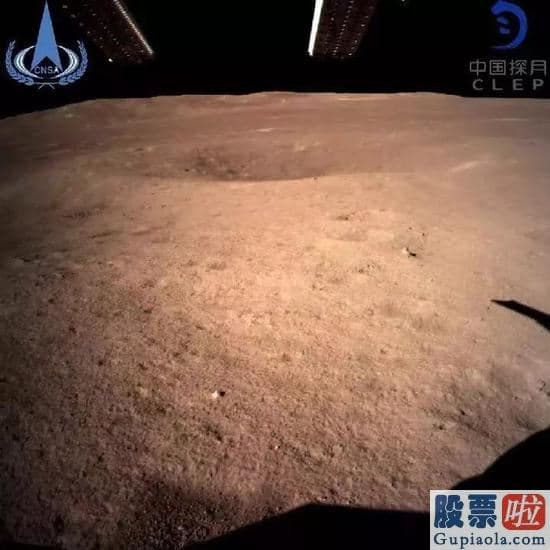
相信你这两天一定被这张光秃秃的星球表面图刷屏了。
这是世界第一张近距离拍摄的月背影像图,揭开了古老月背的神秘面纱。更令人激动的是,这一创举是由中国人带来的!
北京时间2019年1月3日10时26分,我国嫦娥四号探测器成功登陆月球背面,并通过“鹊桥”中继星传回了世界第一张近距离拍摄的月背影像图。
消息一经发布,便成功“霸占”了众多外媒的头版头条,一时间“满屏尽是嫦娥号”。让我们来看看“嫦娥”的倩影都登上了哪些外媒的首页。
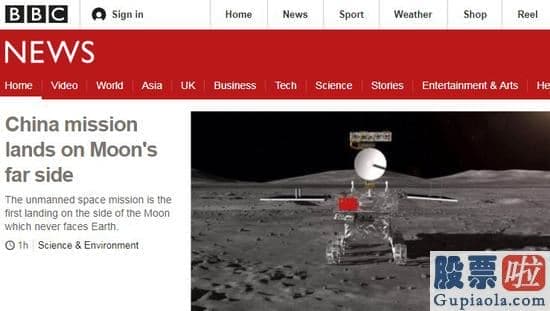
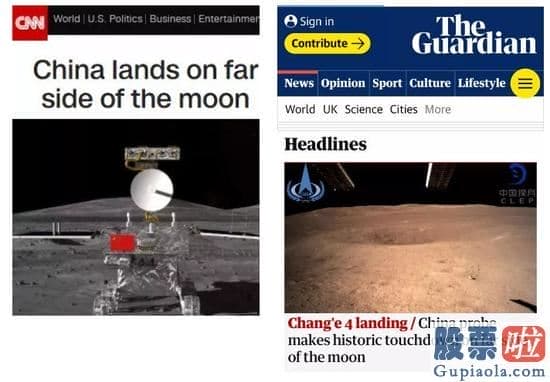

BBC:中国探月计划实现在月球背面着陆
CNN:中国探测器在月球背面着陆
卫报:中国探测器实现历史性月球背面着陆
石英网:刚刚,中国探测器在月球背面着陆,创造历史
究竟是什么原因,让外媒也纷纷竖起了大拇指?
人类史上首登月球背面
嫦娥四号探测器是人类历史上首次成功登陆月球背面的航天器,外媒的报道中纷纷使用了“first”“historic”“successfully”等词形容此次登月任务,成为外媒报道此次登月的高频词。

CNBC:中国航天器首次在月球背面着陆,创造历史

《赫芬顿邮报》:中国成为第一个将航天器送上月球背面的国家:嫦娥四号探测器已经传回了月球背面的照片
The probe, dubbed the Chang‘e-4, touched down at 10:26 a.m。 Beijing time, landing on the moon’s dark side, which forever faces away from the Earth。
嫦娥四号探测器于北京时间(1月3日)上午10点26分着陆,降落在月球的背面,那一面永远背对着地球。
It‘s the first lunar landing since 2013, when the Chinese Space Agency sent another craft to the moon, the Chang’e-3, becoming the third nation to send a vehicle to the moon, after the United States and the former Soviet Union。
这是自2013年以来的首次登月,当时中国航天局向月球发射了另一艘航天器嫦娥三号,成为继美国和前苏联之后第三个向月球发射航天器的国家。
BBC报道称:
The landing is being seen as a major milestone in space exploration。
此次登月被视为太空探索的一个重要里程碑。
There have been numerous missions to the Moon in recent years, but the vast majority have been to orbit, fly by or impact。 The last manned landing was Apollo 17 in 1972。
近年来,有许多月球任务,但绝大多数只是进入轨道、近月飞行或撞月实验。最后一次载人登月是1972年的阿波罗17号。
厉害!克服技术障碍,实现历史突破
一直以来,人类对月球的探测始终集中在正面,却从不去触碰背面,一个重要原因就是背面着陆的难度远远高于正面。
中国探月工程总设计师吴伟仁院士打了这样一个比方:嫦娥三号好比降落在华北大平原,而嫦娥四号好比降落在祖国西南的崇山峻岭中。
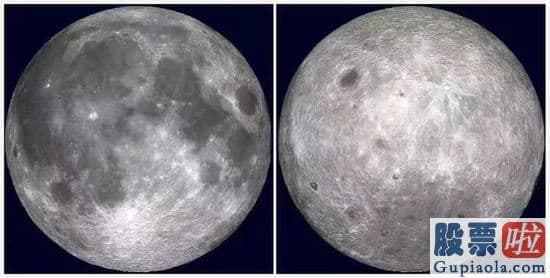
▲左:月球正面 右:月球背面 图源:NASA 由于在月背上,月球挡住了探测车与地球之间的信号,需要布置一颗信号中继卫星,为着陆器提供通信支持。从上个世纪六十年代开始,NASA就一直在提设想、论证,但从未实践过。此次任务,嫦娥四号攻坚克难,选择在月球背面着陆,实现了人类历史上的技术突破。
《每日电讯报》报道称:
A major challenge for such a mission was communicating with the robotic lander: as there is no direct “line of sight” for signals to the far side of the moon。
由于月球背面无法传输信号,此次任务的一个主要挑战是如何与着陆探测器进行通信。
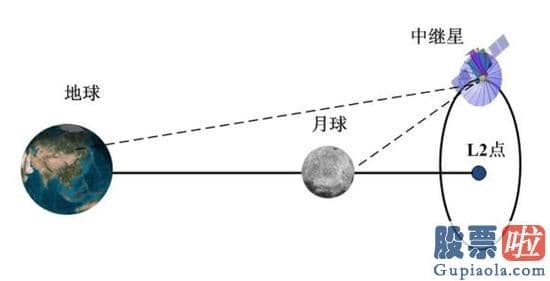
As a solution, China in May blasted the Queqiao (“Magpie Bridge”) satellite into the moon‘s orbit, positioning it so that it can relay data and commands between the lander and Earth。
作为解决方案,中国在5月将“鹊桥”卫星送入月球轨道,使其能够在着陆器和地球之间传递数据和指令。
意义深远!业界一致点赞
除了吸引外媒的关注外,一批海外科技类媒体、以及航空航天领域的专业人士也纷纷报道了这一事件,让我们来看看他们都怎么说:
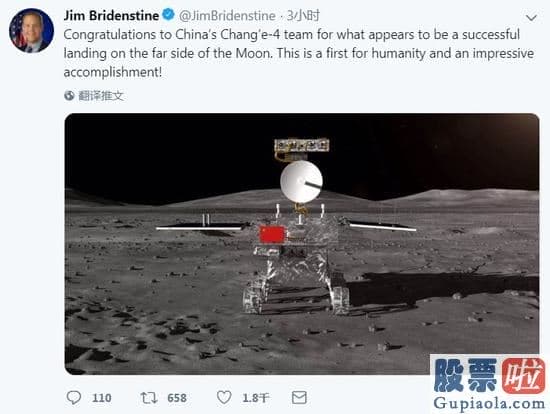
美国航天局局长Jim Bridenstine第一时间在Twitter上发来贺电,称“祝贺!这是人类的第一次,也是一项瞩目的成就!”
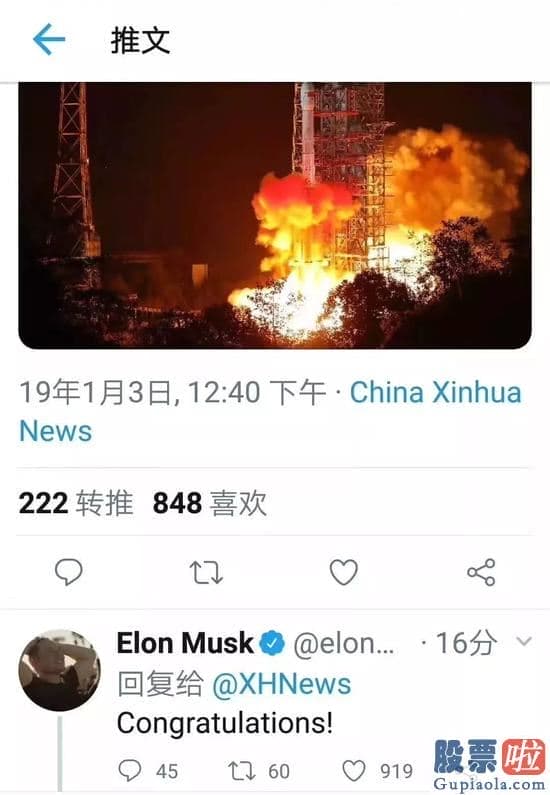
在新华社海外社交账号发布的相关新闻下,美国太空探索技术公司创始人埃隆·马斯克第一时间留言“Congratulations!”(祝贺!),对嫦娥四号成功落月表示祝贺!

美国科技媒体网站The Verge也同样在首页刊登了这一消息:
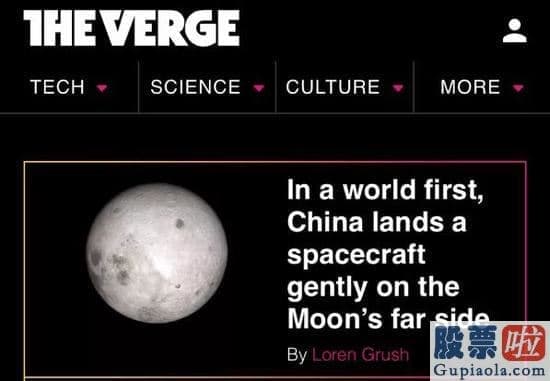
The lander will soon deploy its rover, which will learn more about the composition and the structure of the rocks in this area。 The lander, meanwhile, will focus on the sky, collecting data for astronomers here on Earth, who are eager to take advantage of the spacecraft‘s unique position on the distant side of the Moon。
登陆器将很快部署漫游车,以便更多地了解该地区岩石的成分和结构。与此同时,登陆器将聚焦太空,为地球上的天文学家收集数据,他们渴望利用航天器在月球背面的独特位置。
At night, when the bulk of the Moon shields that area from both the Sun and radio signals from Earth, the lander should get an unparalleled view of the stars。
入夜后,太阳光及来自地球的无线电信号无法触达月球背面,此时登陆器将观测到无与伦比的众星景象。
美国天文学杂志Astronomy称此次登月为“开创性的探索”(groundbreaking exploration):
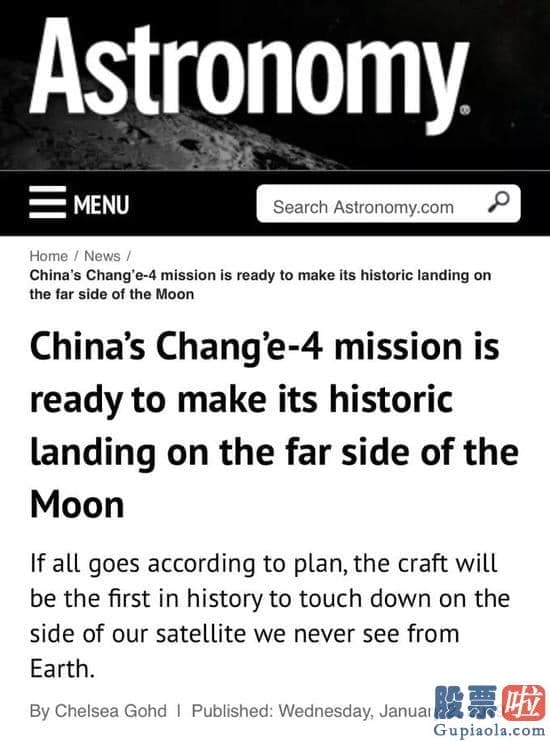
A first in the history of space exploration, this landing will also represent a significant accomplishment for the Chinese space program and should give researchers around the world a treasure trove of new data about an unexplored region of the Moon。
此次登月是太空探索史上的第一次,也是中国太空计划的一项重大成就,对于世界各地的研究者而言,这是获取月球处女地最新数据的珍贵宝库。
The far side of the Moon offers a unique opportunity for scientific research。 Because it‘s shielded from the radio “noise” coming from Earth, scientists expect the far side of the Moon to be ideal for radio astronomy。
对于科学研究而言,月球背面也营造了独特的条件。因为这里不受来自地球的无线电“噪声”影响,科学家们预测此处将是开展射电天文学研究的理想之选。
This groundbreaking exploration will inform and shape our understanding of not only the Moon but the entire solar system as well。
这一开创性的探索不仅将带领我们了解月球,也将塑造人类对整个太阳系的认识。
1月3日晚间,嫦娥四号着陆器与巡视器成功分离,玉兔二号巡视器(即月球车)顺利驶抵月背表面。着陆器上监视相机拍摄了玉兔二号在月背留下第一道痕迹的影像图,并由“鹊桥”中继星传回地面。
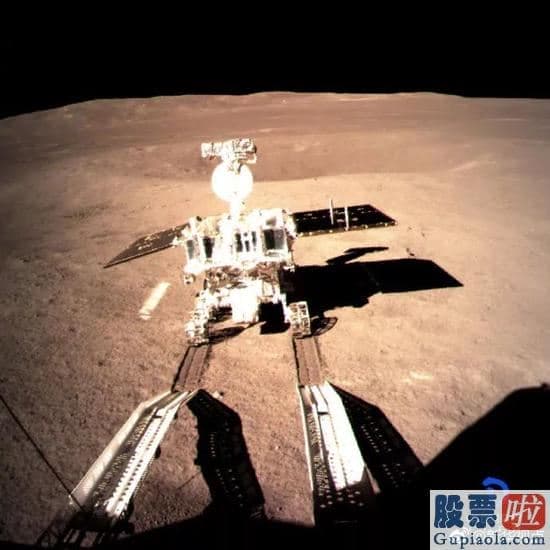
图为嫦娥四号着陆器监视相机C拍摄的玉兔二号巡视器走上月面影像图。1月3日晚间,嫦娥四号着陆器与巡视器成功分离,玉兔二号巡视器(即月球车)顺利驶抵月背表面。着陆器上监视相机拍摄了玉兔二号在月背留下第一道痕迹的影像图,并由“鹊桥”中继星传回地面。新华社发(国家航天局 供图)
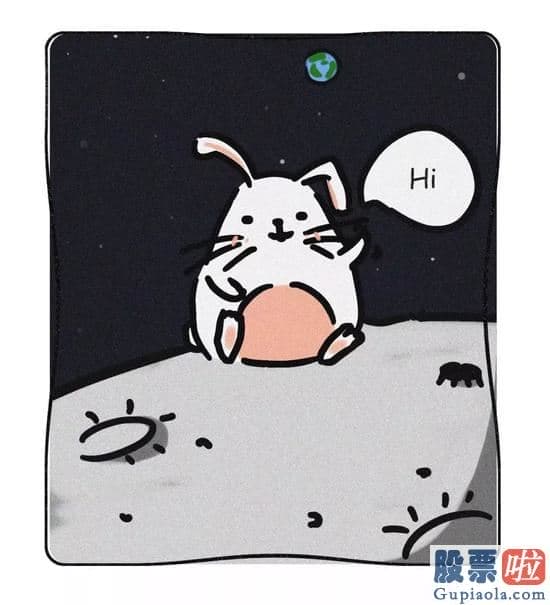
嫦娥四号的成功着陆,也让网友们想起了曾经风靡社交媒体的“网红”——月球车玉兔号。
2016年7月31日,在月球上坚守了972天的玉兔号正式退役,引来数万网友催泪留言。小玉兔的最后一条微博说:
“如果以后你们去到更深更深的宇宙,一定要记得拍照片,帮我先存着。”
亲爱的小兔子,你嫦娥四姐拍的照片,你看到了吗!
上一篇:消防员被冻成网红:系潜入冰湖执行救援任务_最新股市消息
下一篇:日本开征出国税:国际观光旅客税在机票上增加_最新股市消息
